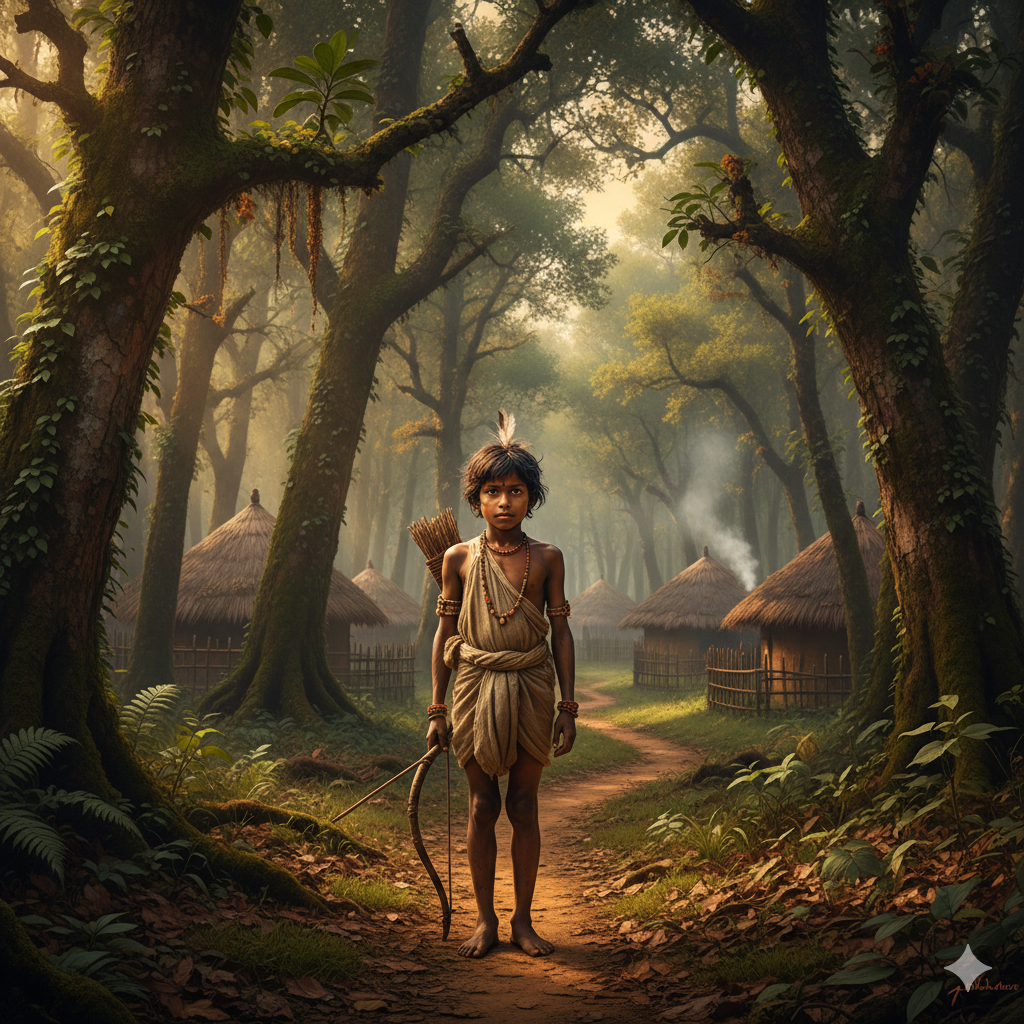
Gunda Dhur was born in the late nineteenth century in the dense forest region of Bastar, located in present-day Chhattisgarh. He belonged to the Muria tribal community, a group deeply rooted in nature, collective decision-making, and ancestral traditions.
His childhood was shaped by village life, forest-based livelihood, and strong tribal bonds. During this period, British colonial rule began interfering in tribal customs, land rights, and freedom of movement, creating unrest among indigenous communities.
Growing up amid these injustices, Gunda Dhur developed a strong sense of leadership and resistance. His tribal upbringing instilled values of unity, courage, and self-rule, which later became the foundation of his role in the historic Bastar Rebellion of 1910.
Socio-Cultural Background of the Dhurwa Tribe
Community Life
The Dhurwa tribe follows a collective way of living where land, forests, and agricultural activities are shared among families, promoting unity and cooperation.
Cultural Traditions
Music, dance, and oral folklore form the heart of Dhurwa culture, passing down ancestral knowledge and tribal history through generations.
Beliefs & Spirituality
Dhurwa spiritual life centers on nature worship, ancestral spirits, and sacred groves, reinforcing respect for the natural world.
Influences That Shaped His Worldview
Tribal Community Life
Growing up in a close-knit tribal society taught Gunda Dhur the values of cooperation, equality, and collective responsibility.
Colonial Oppression
British control over forests, taxation, and forced labor exposed him to systemic injustice, sharpening his resolve to resist domination.
Ancestral Stories & Elders
Oral traditions shared by elders preserved memories of autonomy and resistance, reinforcing the belief that defending land and culture was a sacred duty.